
3 Things About Spain’s Rural Doctor Shortage
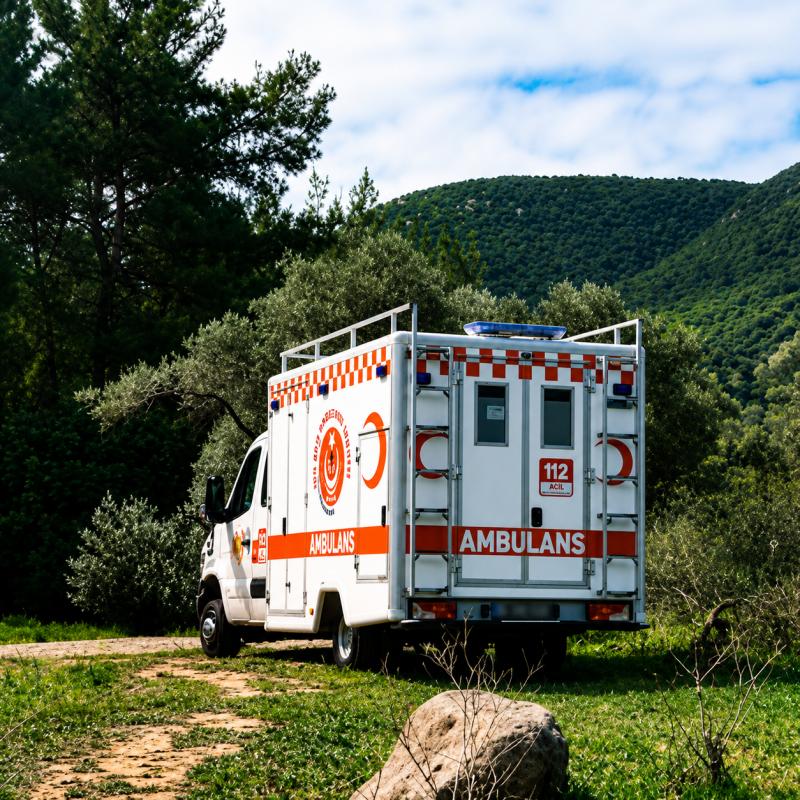
When emergencies happen you expect to hear loud sirens and see people running around panicking. However, with too many patients and not enough doctors, a Spanish healthcare emergency is manifesting itself in a much quieter manner.
Across the country, from Aragón to Castilla y León, rural health centers are struggling as the aging population needs care while young doctors continue to choose life in the city. I’m going to break down three essential things you need to know about Spain’s rural doctor shortage and what the region of Aragón is doing that could change the game.
#1: The Shortage Is Deep and Widespread
As urban life attracts and rural life pushes out, staffing shortages in rural areas of Spain have become more and more common. Vacancies may go unfilled for months or even years, yet people still need care. Cadena SER reports that as of June 11 there were 73 primary-care and 52 hospital-based vacancies in Aragon’s rural sectors alone Cadena SER. While this may not seem like an alarming statistic (it should), it’s important to note that a lack of qualified healthcare professionals, especially in rural areas where reaching a medical facility may take longer, inevitably leads to overall decreased quality in care and potentially delayed diagnoses. In healthcare every second can be important, and if there aren’t enough people to administer care then a bad situation could become even worse.
#2: Aragon’s Bold Solution
On June 11, 2025, Aragón passed the DECRETO-LEY 2/2025, a decree whose focus is to ensure the provision of difficult-to-fill positions for specialist physicians within the Servicio Aragonés de Salud. By offering doctors permanent contracts after three years of service in these rural or peripheral hospitals, the hope is that these positions may be looked at as more attractive. These positions correspond to the sectors of Alcañiz, Barbastro, Calatayud, Huesca, Teruel and Zaragoza III. While this initiative not only offers stability and encourages staffing retention, it also intends to include ongoing professional training and pilot-research opportunities.
#3: The Rest Of Spain Is Watching
Other regions of Spain such as Murcia and Valencia are actively recruiting healthcare professionals as well, but aren’t quite offering the same long-term incentives. However, while Aragón’s plan does well to address job security, there are concerns that it doesn’t do enough to factor in things like housing, transportation and the necessary ongoing training. This plan could eventually influence national policy and serve to reshape rural healthcare throughout the European Union, but follow-through will be important and eventual job retention will need consistent adequate funding and support systems.
A Window of Opportunity
Though Spain’s rural doctor crisis might not be a ‘new’ problem, per se, it’s undoubtedly one that needs attention as the rural-to-urban migration seems to be continuing. Permanent contracts in the space are just the beginning, and while Aragón’s proposal may not be the be-all-end-all it does provide a unique, new way forward.
Stronger rural care starts with global communication. Overcoming common English mistakes in medical reporting and patient care helps healthcare professionals in Spain connect with international networks and patients—no matter the setting. Medicidiom’s language tools and flexible courses are designed to help you bridge this gap seamlessly.
Visit Medicidiom or send us an email at info@medicidiom.com.